Update of SENDRA History in 2021

SENDRA is due to celebrate its 40th birthday this year. It is thought to be one of the longest lasting residents’ associations.

In preparation for that birthday the Committee decided to add updates to the Mary Hodges 2008 history and to ensure that the archive of SENDRA activities and residents’ experiences of living on the estate, including photographs, is appropriately stored and accessible. This would also improve continuity and ease the transition between successive officers and committee members by ensuring that “corporate memory” is retained. 

A small group of volunteers (Chris Knight, Margaret Maden, Carol Wills and Frances Stobbs) “the History Group” identified some major themes which have engaged SENDRA since 2008 and there are links to these updated reports :

Oxpens Meadow

Westgate development

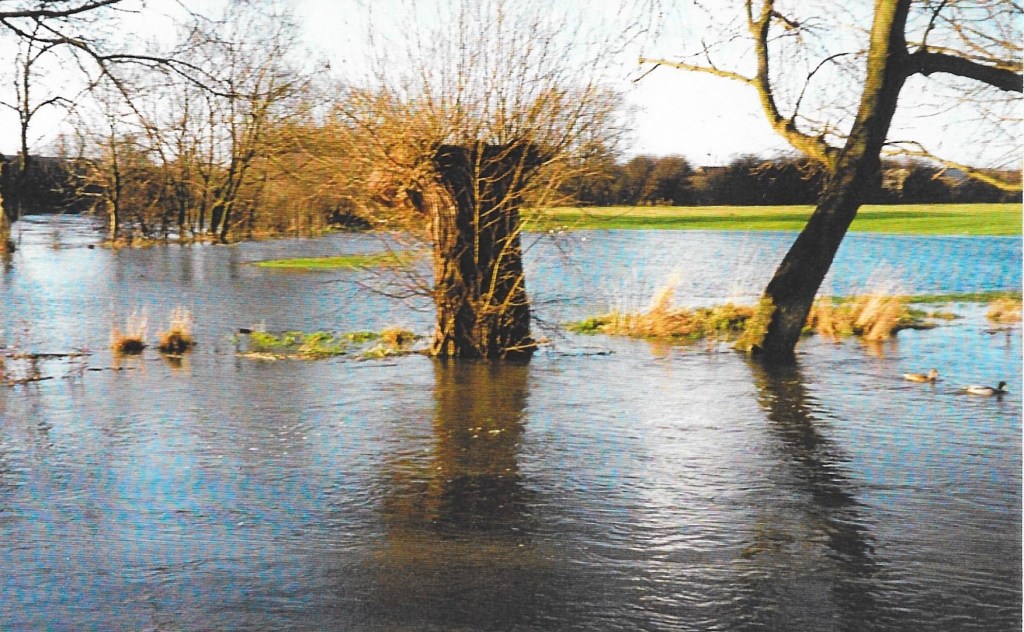
Flooding reports and surveys

SENDRA VOICES FROM ACROSS THE YEARS – As well as the objective history, it was considered very important to record some subjective experience of residents and others. A collection of residents’ memories and impressions has been assembled by Carol Willis. From the ‘pioneers’ in the early 1980s to more recent arrivals and including SENDRA’s committee members, the recollections are revealing and fascinating. There are also some memories of living through the lockdown and the pandemic in 2020/2021. 

A major task has been to expand and update the website and Jonathan Guillebaud was co-opted to the Committee to act as website manager. The documents accessible whether to the current Chair of the Committee on the “cloud” or to the public at the Oxfordshire County Archives have also been identified. The management of the extensive paper archives is subject to ongoing consideration.

Like all living history, new developments continue to have an impact on the environment and lived experience of the SENDRA residents and these matters will be addressed as current issues or history as time passes. 
Poetry Recital

Paula Peters (Claire) – One Hundred Field Names of Oxfordshire

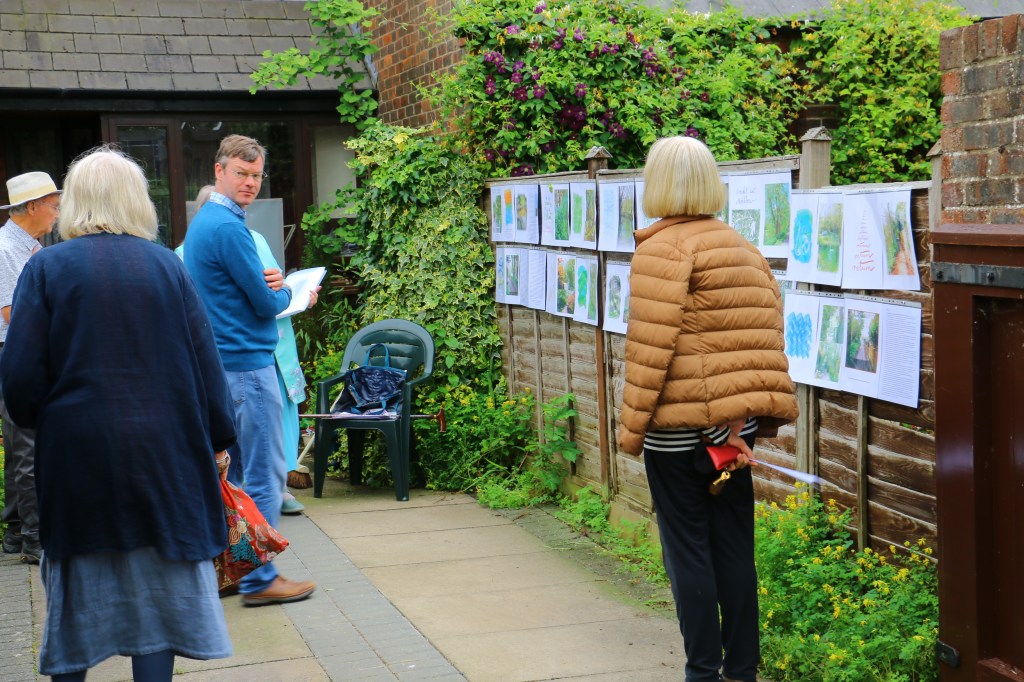
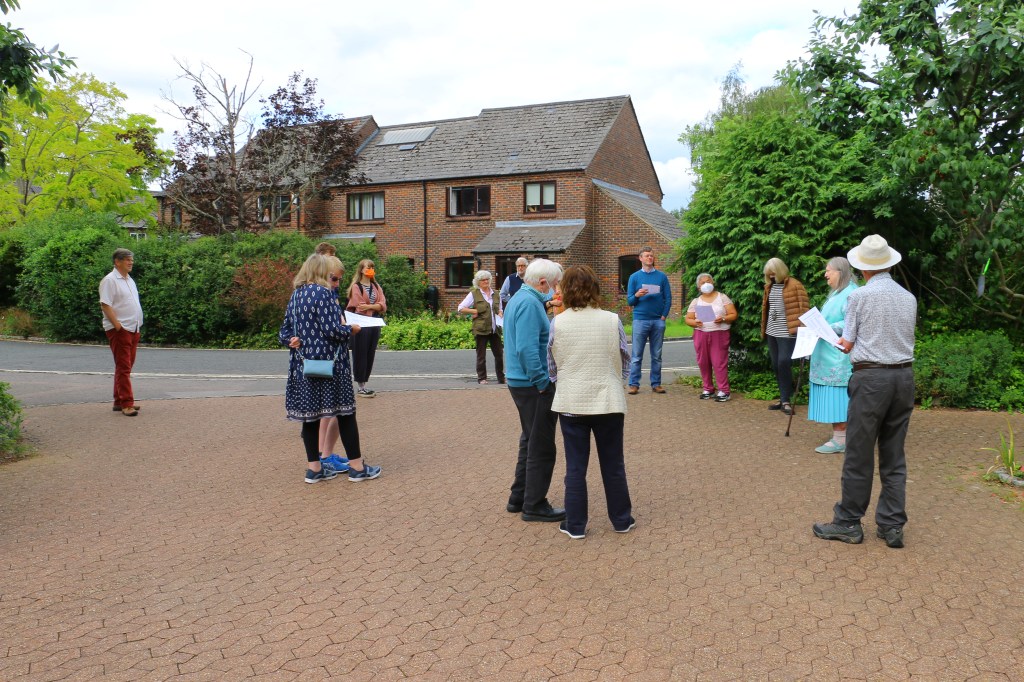
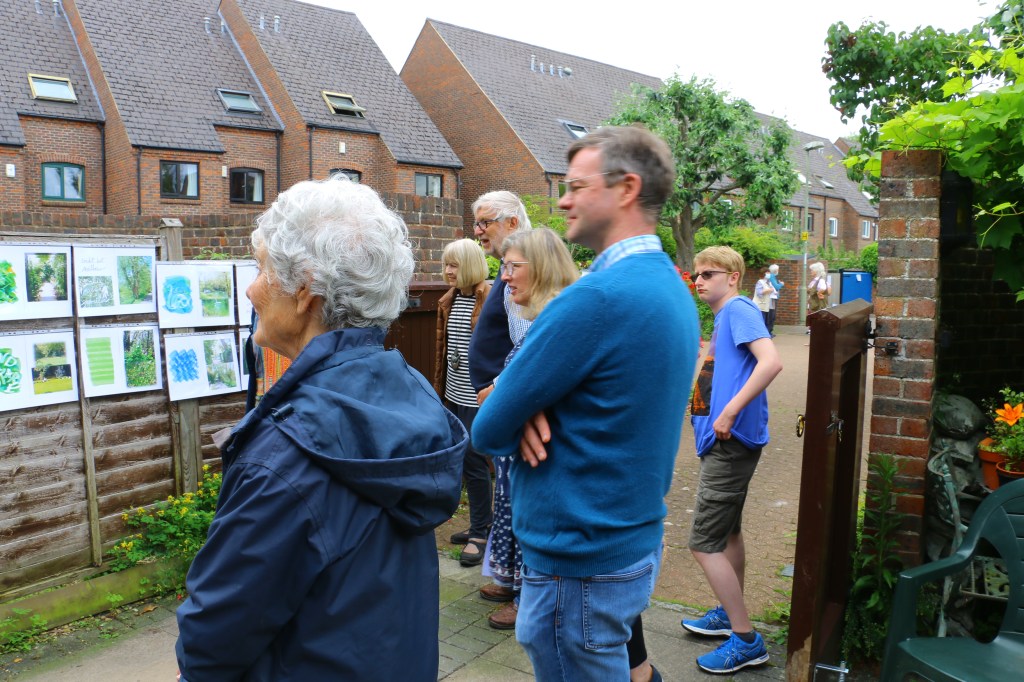
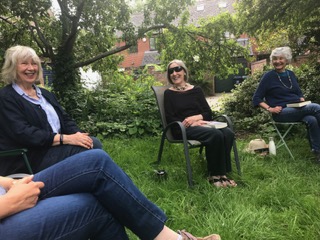
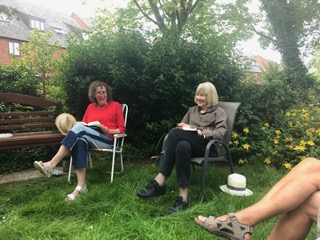
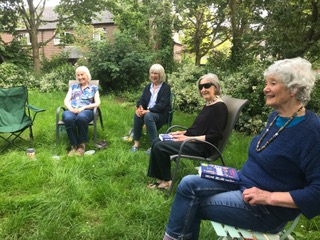
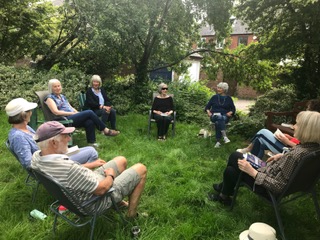
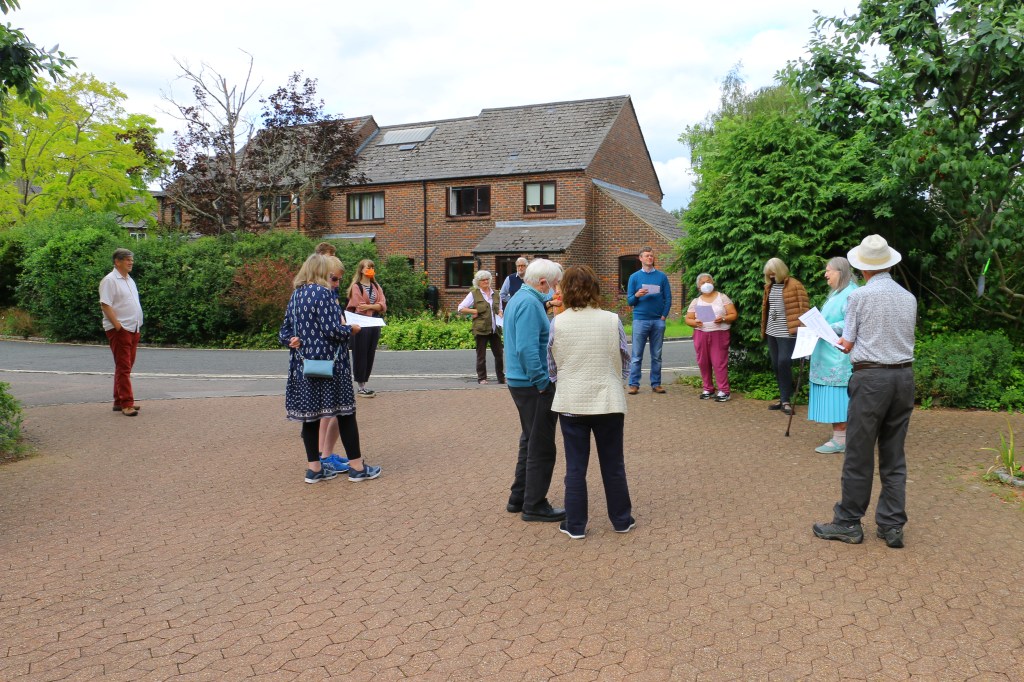
One of our SENDRA neighbours, Paula Claire, has recently been awarded the prestigious Cholmondeley Award for her concrete, visual, sound and performance poetry over 60 years.  On Saturday afternoon 10 July about 20 of us gathered outside the gates of Number 11 Dale Close to hear Paula talk about her career in poetry, her work with children and her current activities.  What fun it was to listen to her tell her stories so enthusiastically and then join with her in reciting her 1980 poem “One Hundred Field Names of Oxfordshire” as a group.  We started slowly and then got faster and faster – first Andante, then Moderato and finally Prestissimo – enjoying the rhythm of the words.  We laughed and laughed.   

Since we adopted the Common Agricultural Policy when we became part of the EU many of the old field names have been lost and replaced with numbers.  This is so sad because the names are wonderful and many go back to Saxon times:  Dean Pightie, Pinx Heron, Clatterpits, Sturt ….  It is so good that they are being preserved in poems like Paula’s.

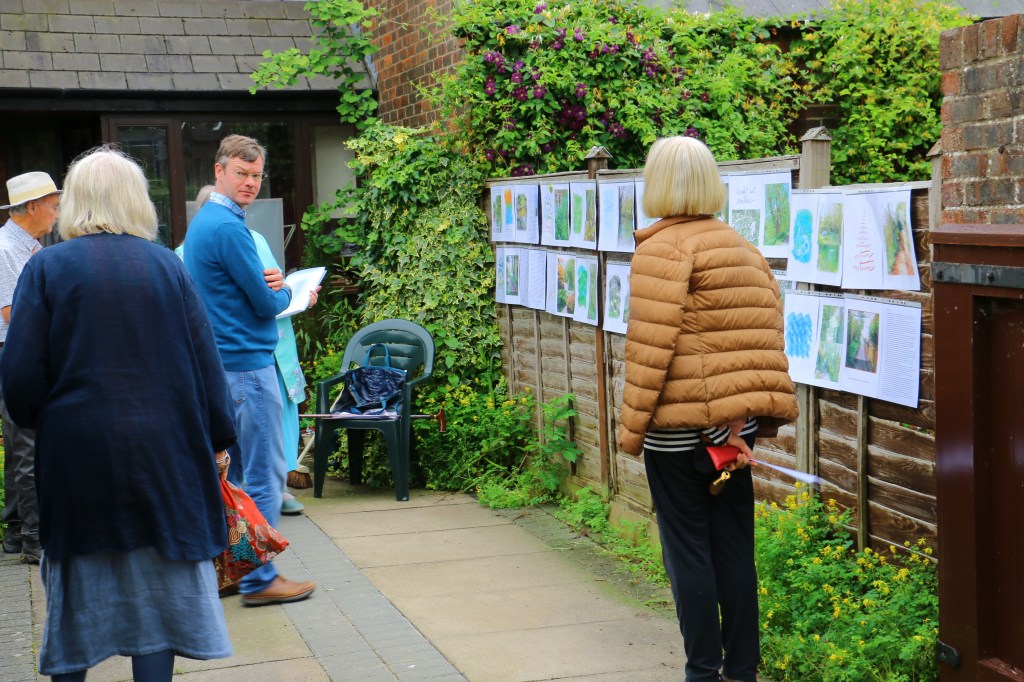
Many of us stayed on after the recital to look at Paula’s latest work:  “Our Kingfishers Pathway” – a visual poem about the wildlife, flowers and willow trees along the banks of the Castle Mill Stream, behind many of the Dale Close and Trinity Street houses, up to the bridge on Thames Street, a pathway that many of us walk along every day.  What a beautiful spot this is. 

 A note from Paula –

“The display in my garden was of 20 double-page spreads from my artist’s book limited edition of 10, OUR KINGFISHERS PATHWAY. Artist’s books limited editions are a special genre, they take many hours to design, printed in high resolution on acid free paper, signed and dated, aimed at Special Collections and book Collectors.  If anyone would like to download the 3-page introduction to the book you can see this by clicking on this link  

It would be nice if someone in SENDRA could collate neighbours’ sightings as time goes on, adding to my article. I claim our wildlife is exceptional in a town centre.

Please read what has now become a famous ecological poem BINSEY POPLARS written 1879 by Gerard Manley Hopkins, graduate of Balliol College. He laments the felling of a row of these trees and warns against the wanton destruction of greenery – done in a moment but taking many years to replace.”

SENDRA Open Gardens

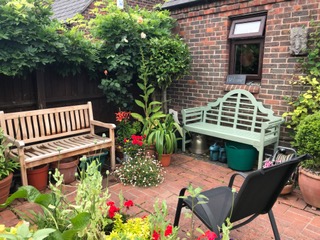
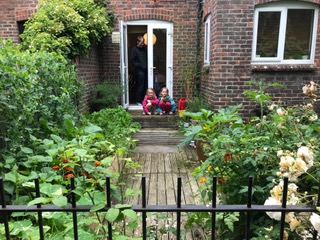
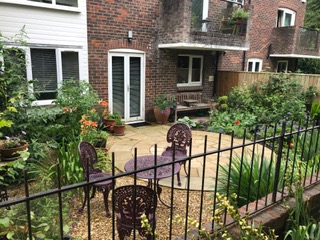
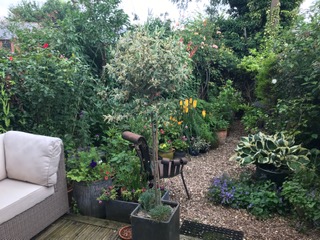
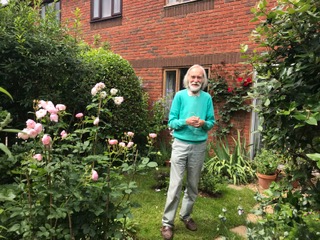
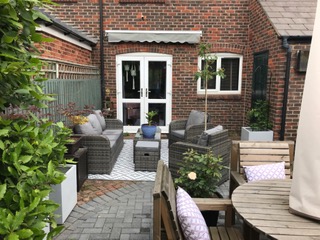
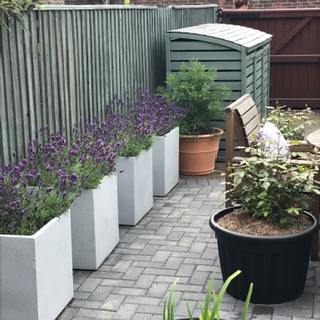
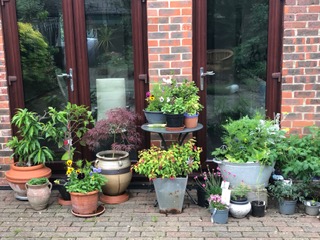
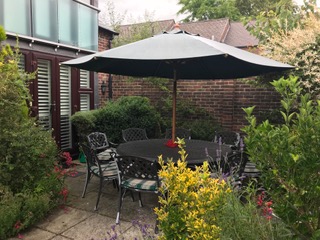
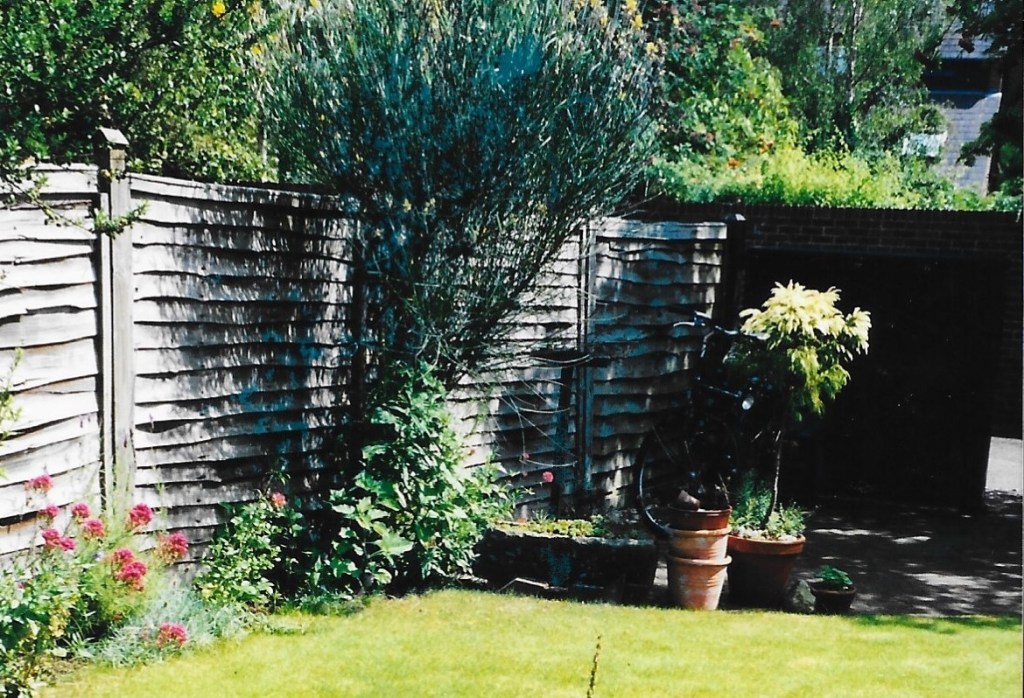
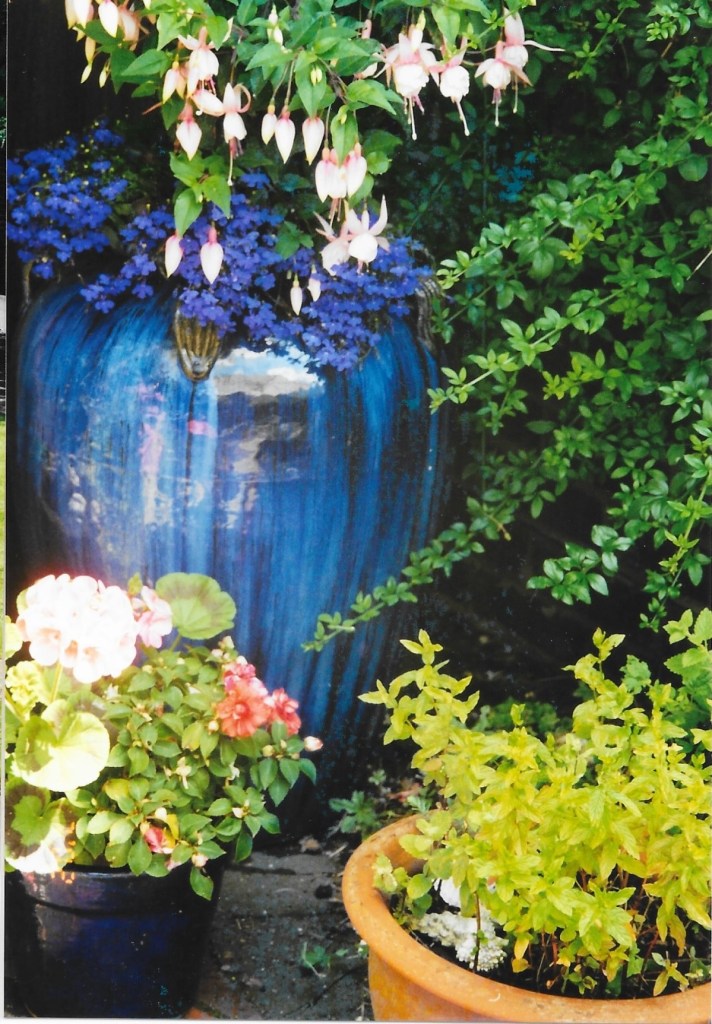
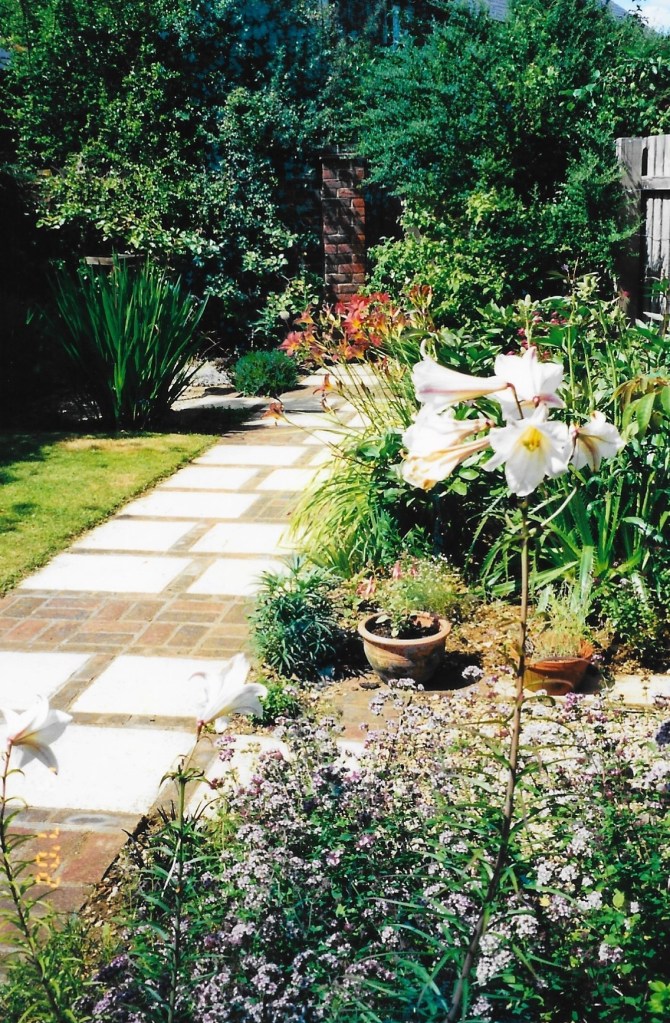
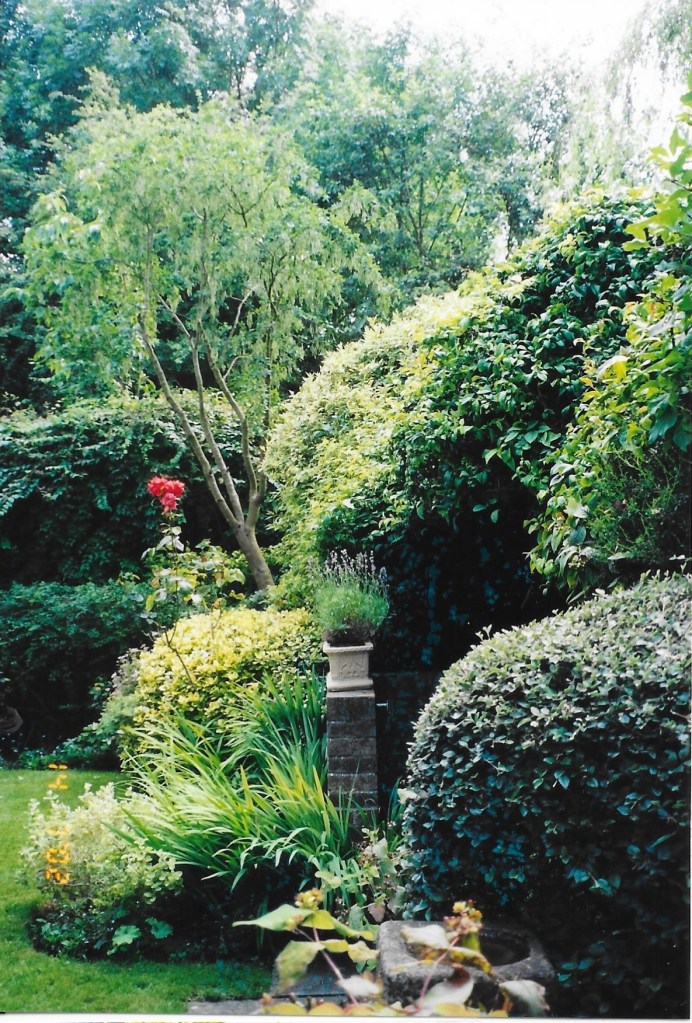
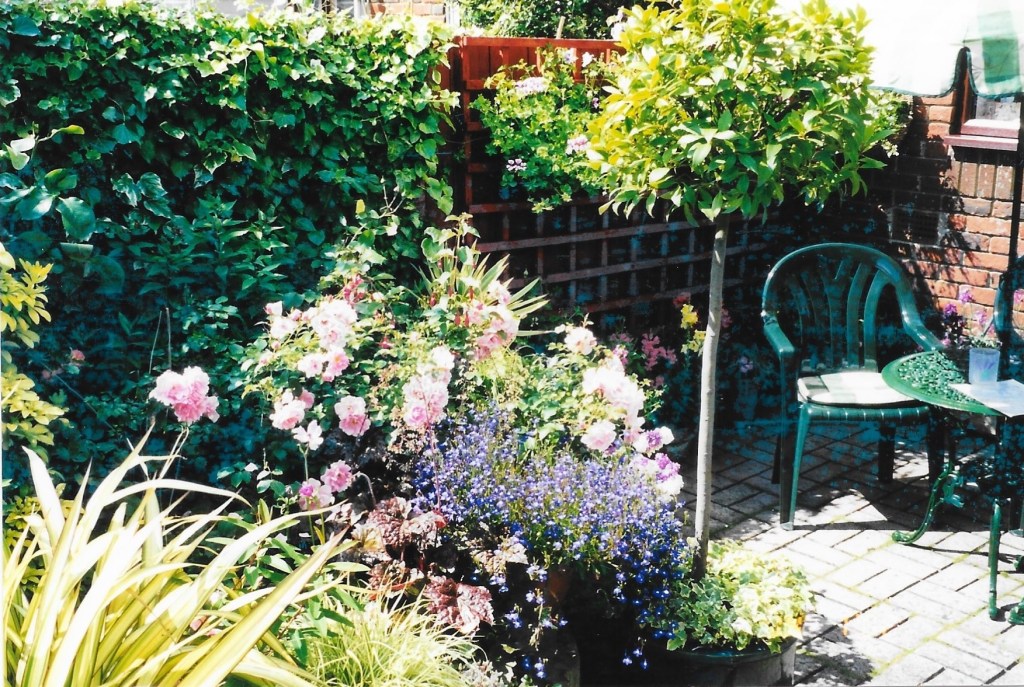
This event on Saturday 10 July was a great successWe are so grateful to Liz Moynagh for organising this event so efficiently.  Also thank you to the members of 18 gardens who kindly shared their private spaces with us.  It was outstanding to see the variety and scope and to witness first-hand what can be achieved in a small courtyard garden. Wandering around at our leisure on a dry day was a delight.  Meeting up with friends old and new great fun and the highlight a birthday drink with Philip & Annie Wootton, an event which has been cancelled many times.

See photos of this event below:

WESTGATE

Ian Green, SENDRA Planning representative.

For more than five years, SENDRA closely observed – and participated in – plans to re-model and extend the Westgate shopping centre.   The original centre had been built between 1970 and 1972, designed by Douglas Murray, the City Architect and Planning Officer.  From as early as 2011, remodelling and extension discussions were held and planning proposals submitted.  Eventually the centre was closed in February 2016 for comprehensive redevelopment, and it reopened on Tuesday 24 October 2017. 

SENDRA’s broad concerns were that the shopping centre was not appropriate at a time when on-line shopping was quickly gaining support and that the relationship with the existing city centre shopping was not well researched and thought-through.  SENDRA was also keen to see the development oriented to the anticipated development of the station area and the Oxpens. 

More specific to the design, SENDRA was concerned about the frontages of the development to the east, west and particularly the south, which faced the SENDRA area.  out.  Initially these were designed to be more or less blank walls with no windows and doors.  The designers would not move from their view that shopkeepers wanted outlooks into internal courtyards and did not want dual aspect shops.  SENDRA campaigned hard for windows and at least one access door in the south elevation.  We were successful in gaining something, but not nearly enough for the centre to be considered well-designed.

Other concerns were about access and SENDRA campaigned to ensure that the centre had an effective transport plan which required incremental achievement of fewer cars being accommodated and more bus, cycle and pedestrian access achieved over time.   The developer’s feet were held to the fire when the centre did not mention access by Park and Ride in its early marketing.  SENDRA has monitored the effectiveness of the design of the car park access and has made comments to the County Council about the design deficiencies.

Associated with access was concern with air quality and this is only now being addressed effectively by the City Council.  With deep excavations being made for the underground car park, SENDRA was concerned about increased flood risk in the SENDRA area and challenged the developers and the EA to confirm that the flood management plans of the new centre would not increase downstream risk.   SENDRA was eventually satisfied although with some remaining concern about the operation of the system which should flood the car park in extreme flood conditions. 

SENDRA’s successful lobbying involved regular discussions with the City and County Councils and with Sara Fuge, the on-site executive manager of Land Securities’ Westgate development project. She was taken on a ‘walkabout’ tour of SENDRA’s neighbourhood so as to have a realistic sense of our concerns and pride in our local patch.  Councillor Bob Price was an invaluable link between the City Council, as the relevant planning authority and ourselves.  

During 2015-16, Oxford Archeology took over the site and a massive ‘dig’ took place with several guided tours, including by SENDRA members, of the medieval, Franciscan remains of the original Greyfriars Friary.  It remains an indictment of the development that the remains were totally destroyed – this was not necessary.

SENDRA was well and ably represented by John Miller, Luke Gander, Ian Green, Rosemary Fennell, Dario Salvi and several others. This was an excellent example of the association’s representative role in ensuring that our local environment is as high quality as possible.